
Vacuum Cosmetic Emulsifying Machine can improve daily repeatability, reduce waste, and keep production moving with fewer delays during routine daily runs.
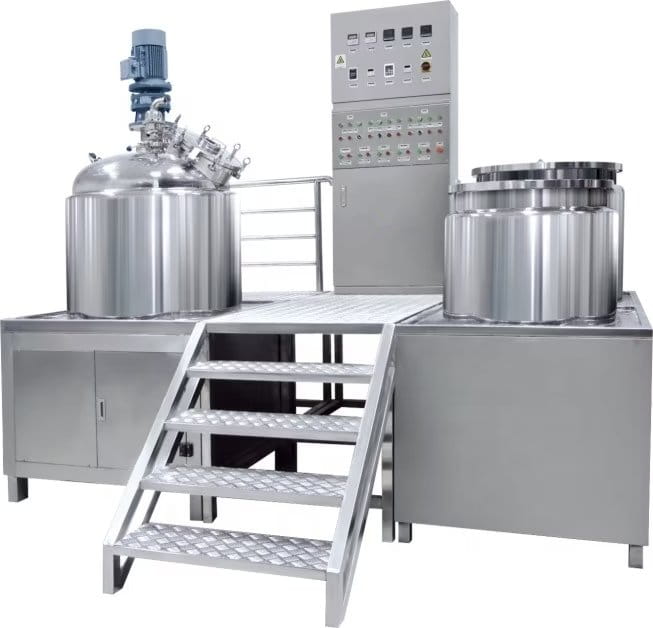
For manufacturers working with serums, lotions, creams, Vacuum Cosmetic Emulsifying Machine can shape throughput, consistency, and day-to-day operating rhythm. For personal care lines, even small process changes can show up immediately in spreadability, look, and consumer perception. For emulsified products, the machine influences droplet uniformity, texture development, and how repeatable the finish feels from batch to batch. When a line is expected to deliver reliable batches every day, details like vacuum control and droplet stability matter as much as motor size or headline capacity. A machine only proves its value when it performs reliably during ordinary, repetitive shifts. It affects how quickly ingredients come together, how steadily the process runs, and how often the team has to correct avoidable variation.
Where Vacuum Cosmetic Emulsifying Machine adds the most value
The evaluation should begin with one question: does the machine suit the product itself. That is why Vacuum Cosmetic Emulsifying Machine should be judged in the context of the actual formulation and schedule. It is also smart to review ingredient order, expected dwell time, and how the product changes as it warms, cools, thickens, or incorporates solids. Emulsifying success usually depends on how well the system handles phase addition, recirculation, and deaeration under real plant conditions. In cosmetic production, buyers also need to consider how the machine supports clean finishes, controlled aeration, and repeatable appearance. Thin liquids, dense creams, aerated formulas, and temperature-sensitive blends all behave differently once production begins. A well-matched design keeps movement controlled, avoids dead zones, and helps operators hold stable viscosity from the first batch to the last. Those real process conditions matter more than marketing language.
Small design details change big outcomes
Specifications matter, yet the details behind them matter even more. Buyers should look beyond horsepower and nominal capacity to understand contact surfaces, control responsiveness, drainage, and access for inspection. Emulsifying equipment has to manage oil-water integration, air control, and temperature movement with enough precision to protect stability. In cosmetic production, buyers also need to consider how the machine supports clean finishes, controlled aeration, and repeatable appearance. Equipment that is easy to inspect and easy to clean often performs better over time because teams can keep it in a known condition instead of troubleshooting hidden buildup or wear after quality issues appear.
Choosing Vacuum Cosmetic Emulsifying Machine for stable long-term output
Selection gets easier when the team writes down the conditions the equipment must handle every week. A purchase grounded in those conditions is more likely to perform well than one based on generic assumptions about capacity alone. For personal care lines, even small process changes can show up immediately in spreadability, look, and consumer perception. Emulsifying equipment has to manage oil-water integration, air control, and temperature movement with enough precision to protect stability. Include viscosity swings, ingredient addition steps, temperature limits, expected changeover pace, and the level of automation the staff can maintain confidently. Before approving a purchase, buyers should confirm that Vacuum Cosmetic Emulsifying Machine matches utilities, staffing, and product demands.
Service access protects uptime
Output should not overshadow maintenance and cleaning. Emulsifying success usually depends on how well the system handles phase addition, recirculation, and deaeration under real plant conditions. Ask how seals, gaskets, pumps, and contact parts are accessed, and whether routine upkeep can happen without extended stoppages. A machine that is difficult to wash, inspect, or service can quietly consume labor and create inconsistent results over time. In cosmetic production, buyers also need to consider how the machine supports clean finishes, controlled aeration, and repeatable appearance. Cleanability is not a minor convenience; it is part of process control because buildup and hidden residue eventually change performance.
The right purchase is the one that makes everyday production more repeatable and less stressful. Vacuum Cosmetic Emulsifying Machine should support the people, formulas, and schedules that already define the business, while leaving room for smarter growth later. When buyers focus on vacuum control, droplet stability, and real operating conditions, they usually choose equipment that delivers value well beyond the first installation.