
A smart plan for soap mixer makes it easier to balance throughput, safe operation, and predictable output as production targets rise across product changes.
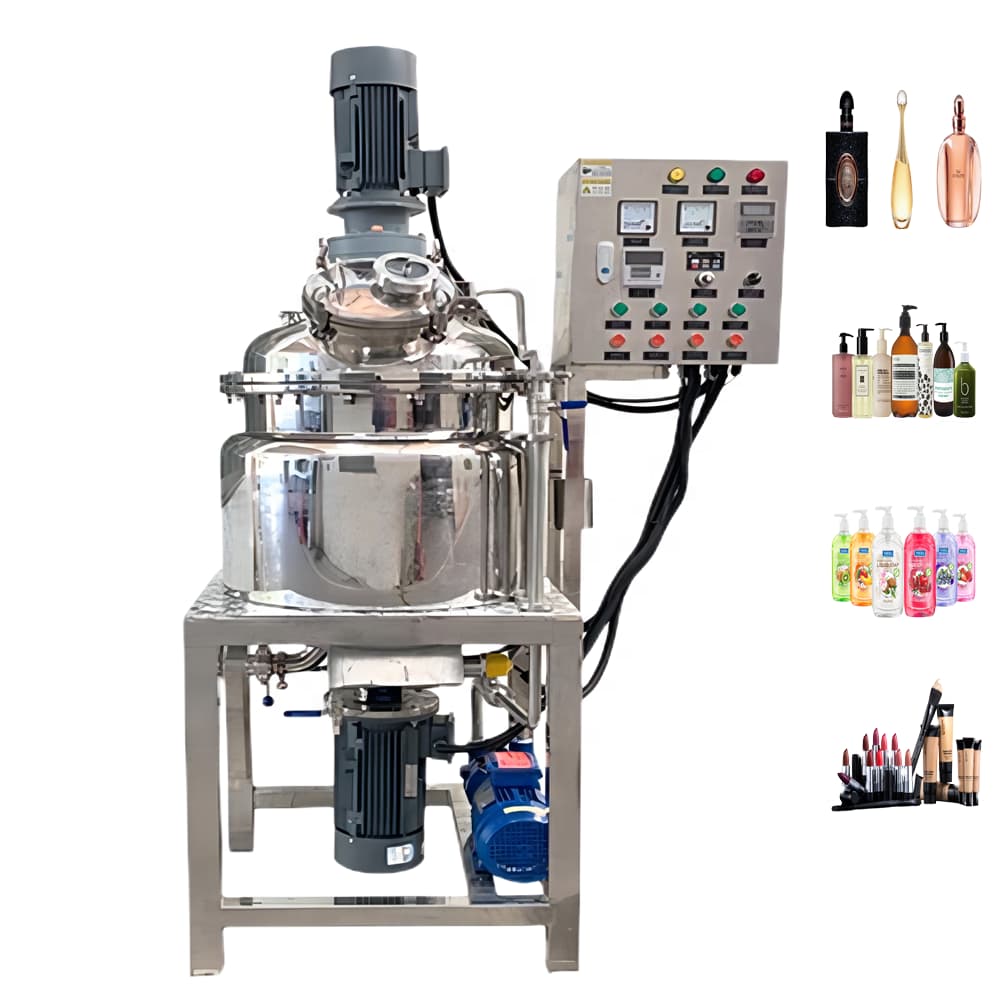
The business case for soap mixer
Many teams begin researching soap mixer because the current process feels slower, less consistent, or harder to scale than it should. In practice, success depends on how the machine handles liquid soap, hand wash, and surfactant-rich formulas, especially when raw materials hydrate slowly or react to heat and shear. A strong configuration widens the operator’s control margin and reduces hurried adjustments as well as run-to-run variation. The best equipment makes production steadier as well as quicker. That is why seasoned manufacturers define the texture target, residence time, and wash routine before looking too hard at equipment cost.
Key checks when choosing soap mixer
A useful way to assess soap mixer is to map the full batch cycle rather than focusing on startup speed alone. Charging, wetting, heating, holding, and discharge each place a different demand on the system. That makes motor sizing, impeller geometry, and temperature control more important than generic statements about output. Real process examples are more revealing than repeated nameplate numbers, so suppliers who share them are often more credible. Real performance becomes clear in the operating detail.
Performance limits worth understanding
Data sheets can hide important limits if buyers read them too quickly. Instead of focusing on vessel size, buyers should ask how the machine responds near the limits of realistic operation. Teams should compare batch turnover, product hold-up, thermal response, and how easily the machine recovers when ingredients are added in stages. When suppliers can link those answers to liquid soap, hand wash, and surfactant-rich formulas, it becomes much easier to judge fit. That level of clarity saves time during ramp-up.
Planning for operators and maintenance
Line design matters almost as much as the machine itself. A good mixer can still feel weak if the process around it creates delays, manual touches, or hard-to-clean hose runs. Ingredient staging, operator access, utilities, and discharge timing should all be mapped before the layout is locked. That review often reveals small layout changes that improve safety and cut hidden labor on every shift. Mechanical capacity only becomes real output when integration is handled well.
How to evaluate return over time
Plants sometimes overspend on soap mixer by focusing on maximum speed instead of controlled, repeatable mixing. More aggressive mixing can backfire when it adds heat, harms structure, or turns washdown into a longer task. A more useful buying question asks how the equipment will perform across the wider product mix planned for the next few years. Those checks should cover testing support, recipe guidance, parts supply, and the supplier’s willingness to address process risk directly. Over time, the clearest operational fit often creates the lowest real cost.
Seen from a wider business view, soap mixer should support quality, labor efficiency, and growth at the same time. The right machine gives operators more confidence, engineering more control, and management more predictable output. Before signing off, compare trial data, service responsiveness, lead time for wear parts, and the realism of the supplier’s commissioning plan. Equipment that fits the process and the team usually beats a cheaper option that only looks attractive in the quote. That is the sort of decision most plants are glad they made.