
A smart plan for industrial mixing machine makes it easier to balance dosing accuracy, safe operation, and predictable output as production targets rise
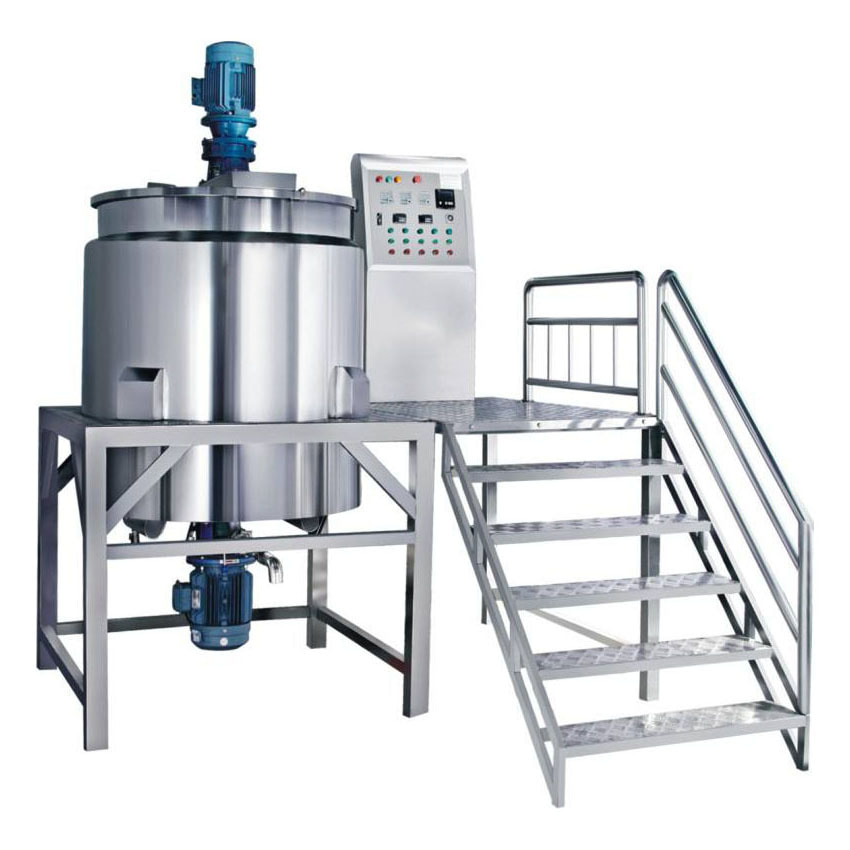
The business case for industrial mixing machine
Teams often begin researching industrial mixing machine because the current process feels slower, less consistent, or harder to scale than it should. In practice, success depends on how the machine handles production batches, viscous products, and industrial formulations, especially when raw materials hydrate slowly or react to heat and shear. A strong configuration widens the operator’s control margin and reduces hurried adjustments as well as run-to-run variation. The best equipment makes production steadier as well as quicker. This is why experienced teams agree on texture targets, residence time, and cleaning routine before they compare upfront investment.
Key checks when choosing industrial mixing machine
A useful way to assess industrial mixing machine is to map the full batch cycle rather than focusing on startup speed alone. The machine is challenged differently during charging, wetting, heating, hold time, and final discharge. That makes motor sizing, impeller geometry, and temperature control more important than generic statements about output. Real process examples are more revealing than repeated nameplate numbers, so suppliers who share them are often more credible. It is the process detail that reveals whether performance is truly there.
Performance limits worth understanding
Real performance shows up in the details that affect repeatability over time. Motor power matters, but so do clearances, sensor placement, and how the equipment maintains stable process control as the batch evolves. A strong design should handle routine production without creating dead zones, unnecessary foaming, or awkward manual intervention. It also needs to support clear process documentation so a new operator can recreate the same outcome. Those qualities are what make equipment a reliable asset on the production floor.
Planning for operators and maintenance
Line design matters almost as much as the machine itself. If the surrounding process adds waiting time, manual handling, or awkward transfer hoses, even a capable mixer can disappoint. Before finalizing layout, map ingredient staging, operator access, utilities, and discharge timing in detail. Exercises like that frequently uncover small improvements that raise safety and reduce hidden labor each shift. Good integration is what converts mechanical capacity into usable throughput.
How to evaluate return over time
The biggest buying error with industrial mixing machine is treating the machine as a standalone answer to a process problem. In reality, results depend on recipe design, ingredient order, utility stability, and operator training as much as hardware. The best vendors help buyers address those variables instead of suggesting the machine can fix the process on its own. That makes line commissioning smoother and gives production staff a clearer standard to follow from the first commercial batch. A practical implementation plan helps protect the investment.
Ultimately, industrial mixing machine pays off when it helps the plant run more calmly, not simply more aggressively. Plants often gain more from reduced rework and easier training than from pursuing the highest possible speed. Request a real-world trial, define the quality markers that matter at each stage, and compare after-sales support with the same care you give capital cost. A build in 316L stainless steel paired with strong technical support often creates a more durable operation. That disciplined buying process leads to equipment that keeps producing long after the sales pitch is over.