
Emulsifier vacuum can support repeatable emulsification, steadier workflow, and dependable quality while helping teams avoid waste and process drift at scale.
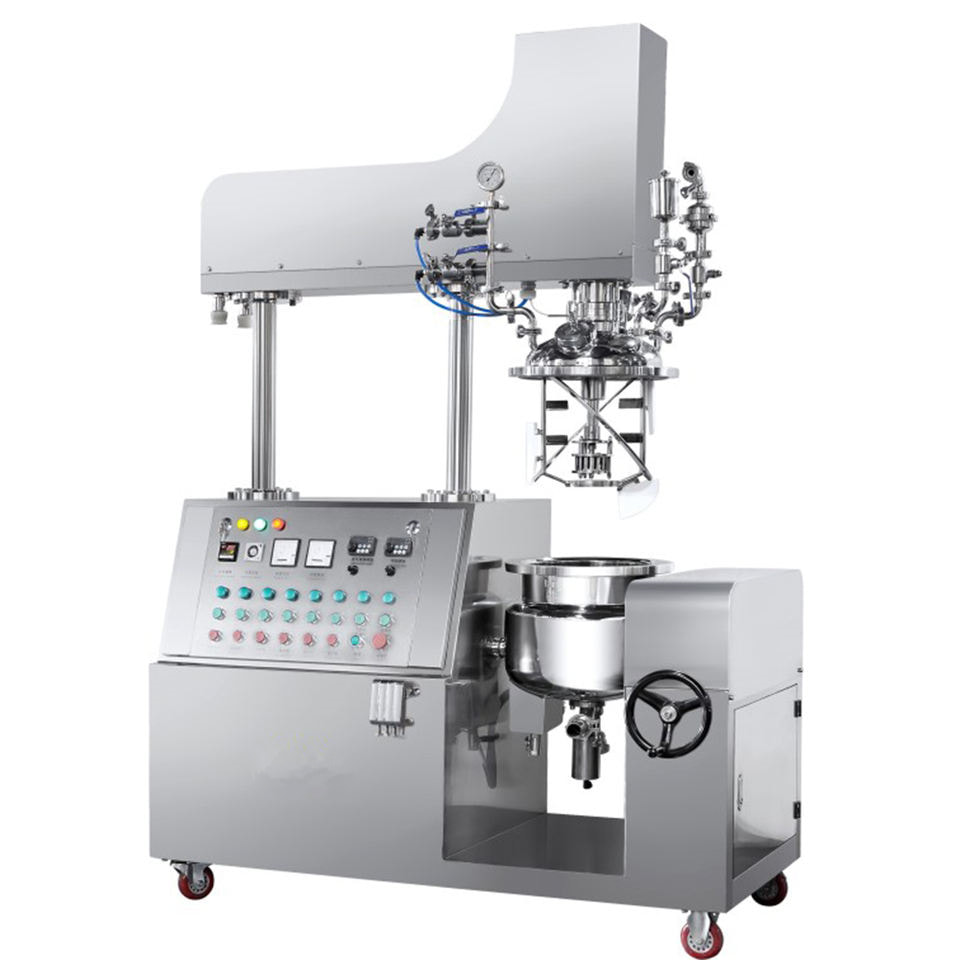
Where emulsifier vacuum adds the most value
For manufacturers working with liquids, suspensions, pastes, emulsifier vacuum can shape throughput, consistency, and day-to-day operating rhythm. Emulsifying success usually depends on how well the system handles phase addition, recirculation, and deaeration under real plant conditions. For many plants, process stability and ease of upkeep drive better returns than the most aggressive specification set. It affects how quickly ingredients come together, how steadily the process runs, and how often the team has to correct avoidable variation. Good process equipment earns trust by making results easier to repeat, not by sounding impressive on paper. When a line is expected to deliver reliable batches every day, details like phase addition and vacuum control matter as much as motor size or headline capacity. Consistent output is rarely accidental. For many plants, process stability and ease of upkeep drive better returns than the most aggressive specification set. It comes from a process that gives operators enough control to repeat the same result even when ambient conditions, raw material variation, or staffing changes introduce small differences. Emulsifying success usually depends on how well the system handles phase addition, recirculation, and deaeration under real plant conditions. For that reason emulsifier vacuum should be judged in the context of the actual formulation and schedule. Buyers should ask whether the machine helps maintain repeatable texture, supports clear setpoints, and makes it easy to verify the process rather than relying on guesswork during every batch.
Look beyond headline specifications
Buyers should look closely at the components that influence performance during every run. Vessel shape, rotor or impeller style, wall clearance, seals, and discharge design all affect how material behaves during a run. Seemingly small details can change how quickly product circulates, how evenly heat moves through the batch, and how easy the system is to clean between formulas. Emulsifying equipment has to manage oil-water integration, air control, and temperature movement with enough precision to protect stability. A practical review of those details usually reveals whether the machine is built for routine production or only for ideal conditions. In broad manufacturing use, the best machine is the one operators can run well on an ordinary day.
Choosing emulsifier vacuum for stable long-term output
The decision becomes clearer when the team documents weekly operating conditions. For many plants, process stability and ease of upkeep drive better returns than the most aggressive specification set. Selection improves when emulsifier vacuum is compared against real constraints such as sanitation time, batch range, and operator skill. Include viscosity swings, ingredient addition steps, temperature limits, expected changeover pace, and the level of automation the staff can maintain confidently. A purchase grounded in those conditions is more likely to perform well than one based on generic assumptions about capacity alone. Emulsifying equipment has to manage oil-water integration, air control, and temperature movement with enough precision to protect stability.
Scale should support the whole line
Line balance is an overlooked part of equipment planning. For many plants, process stability and ease of upkeep drive better returns than the most aggressive specification set. Thinking through the entire workflow helps buyers avoid isolated improvements that fail to lift total plant performance. Even strong machines create problems when they outpace utilities, create long waits for transfer, or require more manual attention than the team can consistently provide. For emulsified products, the machine influences droplet uniformity, texture development, and how repeatable the finish feels from batch to batch.
In the end, the best purchase is the one that makes daily production calmer, more repeatable, and easier to manage. emulsifier vacuum should support the people, formulas, and schedules that already define the business, while leaving room for smarter growth later. When buyers focus on scraping action, heating and cooling, and real operating conditions, they usually choose equipment that delivers value well beyond the first installation.