
With vacuum homogenizer, production teams gain more predictable results, smoother output, and better control when reliable batches matter most in busy plants.
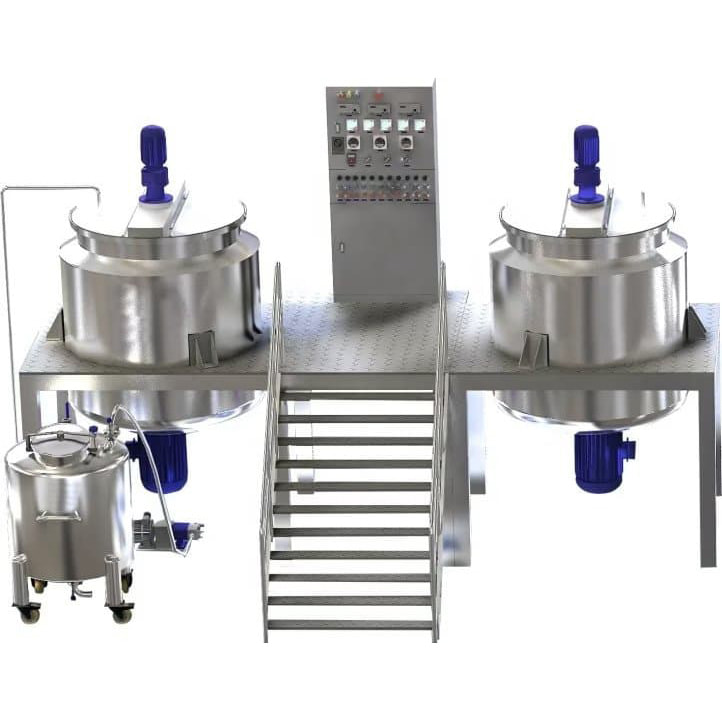
Where vacuum homogenizer adds the most value
When teams need steady output for batch products, pastes, suspensions, vacuum homogenizer becomes more than a simple machine choice. In production, small inconsistencies compound quickly, which is why equipment choice deserves close attention. The right setup supports cleaner batching, easier control, and fewer interruptions caused by poor flow, trapped air, or uneven processing. A homogenizer should create a repeatable finish, not just a fast cycle, especially when batches vary in solids, temperature, or sensitivity. For many plants, process stability and ease of upkeep drive better returns than the most aggressive specification set. Buyers who compare recirculation path with temperature profile early usually make better long-term decisions than those who focus only on the first quote. Quality problems often begin with simple mismatches between the product and the equipment. For that reason vacuum homogenizer should be judged in the context of the actual formulation and schedule. A homogenizer should create a repeatable finish, not just a fast cycle, especially when batches vary in solids, temperature, or sensitivity. If the action is too aggressive, texture, appearance, or stability can drift out of spec. Across general industrial production, the value comes from consistent execution rather than occasional peak performance. Reliable production comes from balancing energy input, hold time, and operator control so the product reaches the target without unnecessary stress. If the movement is too gentle, ingredients may never fully integrate. That balance is especially important when teams want uniform blending across multiple shifts, operators, and raw material lots.
Operator control matters every shift
Operator experience deserves attention from the start. If production depends on one highly experienced operator to correct the system by feel, the setup is already carrying unnecessary risk. With homogenizing systems, controlled energy input matters because product feel, stability, and appearance often depend on small process differences. Clear controls, sensible alarms, and stable machine behavior reduce training time and make it easier for new team members to follow the process. Better equipment gives the team repeatable routines, visible process feedback, and a layout that supports safe daily work. For many plants, process stability and ease of upkeep drive better returns than the most aggressive specification set.
Choosing vacuum homogenizer for stable long-term output
Good purchasing decisions compare current demand with realistic growth plans. In broad manufacturing use, the best machine is the one operators can run well on an ordinary day. That approach usually leads to better returns because the equipment is chosen for the real bottleneck, not the most convenient test case. it is also smart to ask how the machine will handle your most difficult formulation rather than your easiest one. Capacity should fit real batch sizes, not just a hoped-for future output target, and utilities should match the plant’s actual conditions. A better buying decision comes from checking whether vacuum homogenizer supports the plant’s real bottlenecks. With homogenizing systems, controlled energy input matters because product feel, stability, and appearance often depend on small process differences.
Maintenance is part of process control
Maintenance and sanitation deserve equal weight with output. Ask how seals, gaskets, pumps, and contact parts are accessed, and whether routine upkeep can happen without extended stoppages. Cleanability is not a minor convenience; it is part of process control because buildup and hidden residue eventually change performance. With homogenizing systems, controlled energy input matters because product feel, stability, and appearance often depend on small process differences. A machine that is difficult to wash, inspect, or service can quietly consume labor and create inconsistent results over time. For many plants, process stability and ease of upkeep drive better returns than the most aggressive specification set.
Strong equipment choices come from practical thinking, not trends. vacuum homogenizer earns its place when it helps the team hold quality, keep production moving, and solve recurring process problems without unnecessary complexity. A careful review of air control, recirculation path, and long-term line flow needs leads to a purchase that performs reliably long after commissioning.