
Electric mixer can support cleaner process control, steadier workflow, and dependable quality while helping teams avoid waste and process drift on active lines.
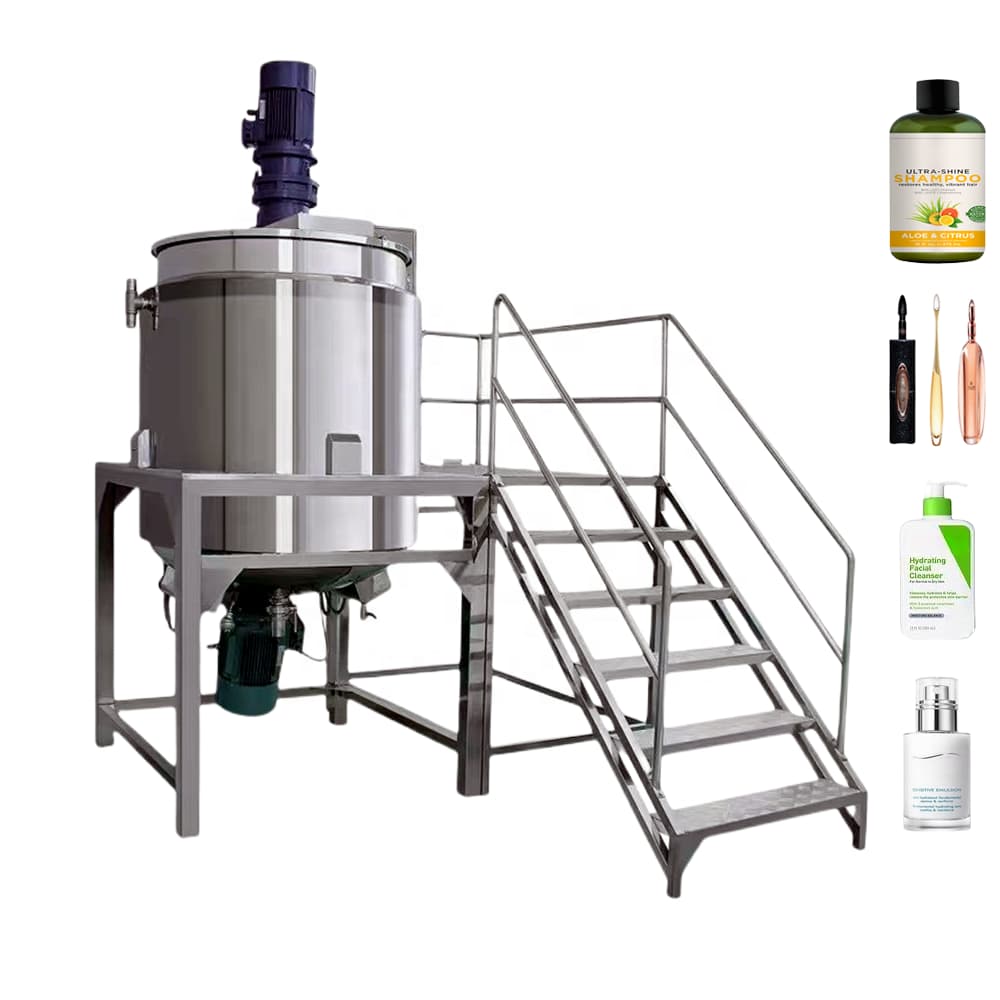
When plant teams need steady output for emulsions, batch products, liquids, electric mixer becomes more than a simple machine choice. In broad manufacturing use, the best machine is the one operators can run well on an ordinary day. In mixing work, the real question is how the machine moves the product through the whole vessel rather than how fast one point in the batch appears to turn. The right setup supports cleaner batching, easier control, and fewer interruptions caused by poor flow, trapped air, or uneven processing. In production, small inconsistencies compound quickly, which is why equipment choice deserves close attention. Buyers who compare viscosity range with speed control early usually make better long-term decisions than those who focus only on the first quote.
Why electric mixer matters for real production
The evaluation should begin with one question: does the machine suit the product itself. For many plants, process stability and ease of upkeep drive better returns than the most aggressive specification set. A strong review asks whether electric mixer will perform well on ordinary shifts, not only in demonstrations. A well-matched design keeps movement controlled, avoids dead zones, and helps operators hold repeatable texture from the first batch to the last. It is also smart to review ingredient order, expected dwell time, and how the product changes as it warms, cools, thickens, or incorporates solids. Mixing performance improves when circulation, heat transfer, and ingredient wet-out are considered together instead of as separate problems. Those real process conditions matter more than marketing language. Thin liquids, dense creams, aerated formulas, and temperature-sensitive blends all behave differently once production begins.
Simple routines often outperform complex ones
Daily operation reveals whether a machine truly fits the business. When operators can see what the machine is doing and respond quickly, production becomes more stable, handoffs improve, and schedule pressure does not turn into avoidable scrap or downtime. Controls should be easy to understand, parameters should be quick to repeat, and normal adjustments should not require guesswork. In broad manufacturing use, the best machine is the one operators can run well on an ordinary day. For mixers, the interaction between vessel shape, impeller choice, and batch viscosity usually determines whether production feels easy or constantly corrective.
How to choose electric mixer with fewer compromises
A practical buying review compares today’s demand with the next stage of growth. That approach usually leads to better returns because the equipment is chosen for the real bottleneck, not the most convenient test case. For many plants, process stability and ease of upkeep drive better returns than the most aggressive specification set. Capacity should fit real batch sizes, not just a hoped-for future output target, and utilities should match the plant’s actual conditions. It equally helps to ask how the machine will handle your most difficult formulation rather than your easiest one. Mixing performance improves when circulation, heat transfer, and ingredient wet-out are considered together instead of as separate problems. A better buying decision comes from checking whether electric mixer supports the plant’s real bottlenecks.
Plan for growth without overbuying
Equipment planning often overlooks line balance. Even strong machines create problems when they outpace utilities, create long waits for transfer, or require more manual attention than the team can consistently provide. For mixers, the interaction between vessel shape, impeller choice, and batch viscosity usually determines whether production feels easy or constantly corrective. In broad manufacturing use, the best machine is the one operators can run well on an ordinary day. Thinking through the entire workflow helps buyers avoid isolated improvements that fail to lift total plant performance.
Practical thinking creates the strongest equipment choices. electric mixer earns its place when it helps the team hold quality, keep production moving, and solve recurring process problems without unnecessary complexity. A careful review of viscosity range, batch size, and long-term workflow needs leads to a purchase that performs reliably long after commissioning.