
Detergent mixers can support repeatable batching, steadier workflow, and dependable quality while helping teams avoid waste and process drift on active lines.
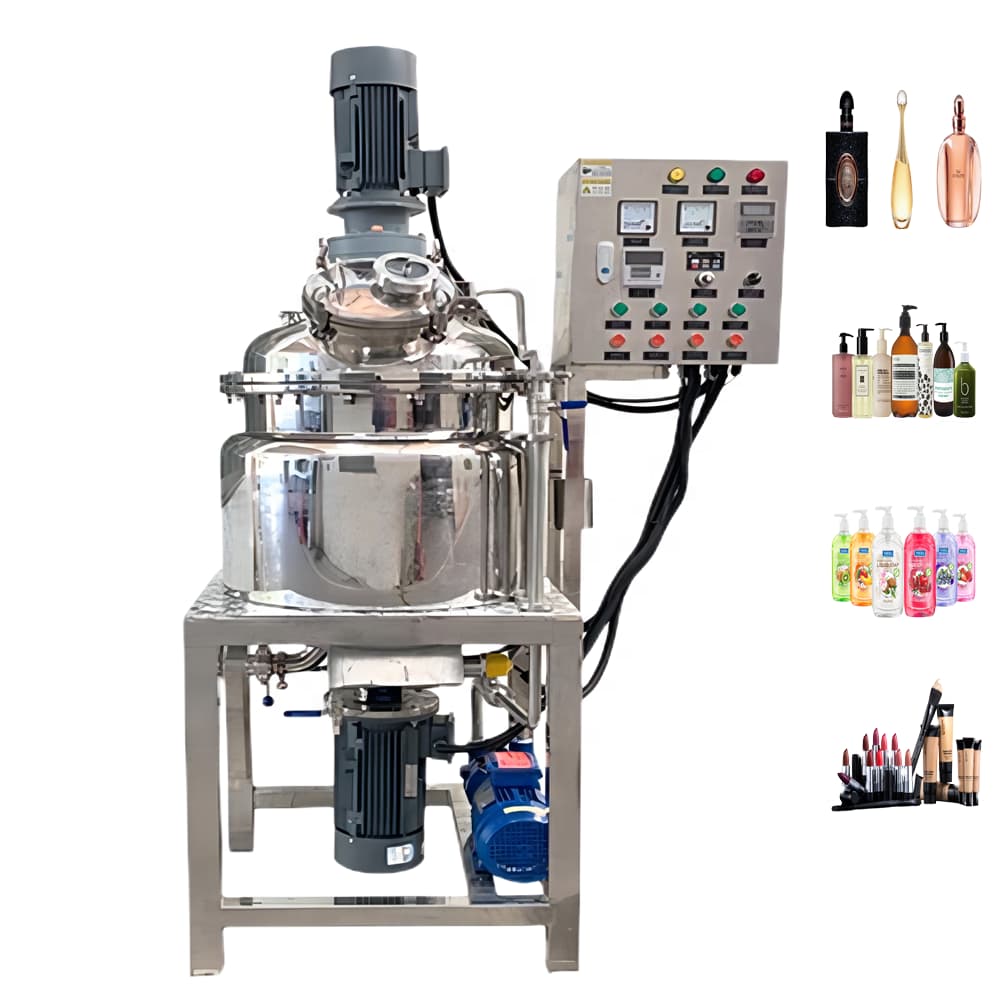
Using detergent mixers with clear process targets
For manufacturers working with shampoos, liquid soaps, detergents, detergent mixers can shape throughput, consistency, and day-to-day operating rhythm. Most buyers are not searching for flashy features; they want dependable output they can schedule around. When a line is expected to deliver reliable batches every day, details like heating jacket and batch size matter as much as motor size or headline capacity. It affects how quickly ingredients come together, how steadily the process runs, and how often the team has to correct avoidable variation. Mixing performance improves when circulation, heat transfer, and ingredient wet-out are considered together instead of as separate problems. That matters in detergent and cleansing products, where foaming behavior, viscosity, and ingredient dissolution all affect downstream performance. Quality problems often begin with simple mismatches between the product and the equipment. That matters in detergent and cleansing products, where foaming behavior, viscosity, and ingredient dissolution all affect downstream performance. Reliable production comes from balancing energy input, hold time, and operator control so the product reaches the target without unnecessary stress. That balance is especially important when teams want even surfactant dispersion across multiple shifts, operators, and raw material lots. Mixing performance improves when circulation, heat transfer, and ingredient wet-out are considered together instead of as separate problems. If the movement is too gentle, ingredients may never fully integrate. If the action is too aggressive, texture, appearance, or stability can drift out of spec. A strong review asks whether detergent mixers will perform well on ordinary shifts, not only in demonstrations.
Operator control matters every shift
The business learns the truth about a machine during routine operation. Mixing performance improves when circulation, heat transfer, and ingredient wet-out are considered together instead of as separate problems. Controls should be easy to understand, parameters should be quick to repeat, and normal adjustments should not require guesswork. When operators can see what the machine is doing and respond quickly, production becomes more stable, handoffs improve, and schedule pressure does not turn into avoidable scrap or downtime. In wash-product manufacturing, stable blending and easy sanitation help protect both throughput and product repeatability.
How to choose detergent mixers with fewer compromises
A smart buying process compares current demand with the next stage of growth. Capacity should fit real batch sizes, not just a hoped-for future output target, and utilities should match the plant’s actual conditions. In mixing work, the real question is how the machine moves the product through the whole vessel rather than how fast one point in the batch appears to turn. That approach usually leads to better returns because the equipment is chosen for the real bottleneck, not the most convenient test case. For soap and shampoo work, practical washdown routines and predictable batching often matter more than overly complex controls. it makes sense to ask how the machine will handle your most difficult formulation rather than your easiest one. A better buying decision comes from checking whether detergent mixers supports the plant’s real bottlenecks.
Service access protects uptime
Maintenance and washdown deserve as much attention as output. For mixers, the interaction between vessel shape, impeller choice, and batch viscosity usually determines whether production feels easy or constantly corrective. Ask how seals, gaskets, pumps, and contact parts are accessed, and whether routine upkeep can happen without extended stoppages. A machine that is difficult to wash, inspect, or service can quietly consume labor and create inconsistent results over time. That matters in detergent and cleansing products, where foaming behavior, viscosity, and ingredient dissolution all affect downstream performance. Cleanability is not a minor convenience; it is part of process control because buildup and hidden residue eventually change performance.
In the end, the best purchase is the one that makes daily production calmer, more repeatable, and easier to manage. detergent mixers should support the people, formulas, and schedules that already define the business, while leaving room for smarter growth later. When buyers focus on speed control, heating jacket, and real operating conditions, they usually choose equipment that delivers value well beyond the first installation.