
With emulsifiers, production teams gain more predictable batches, smoother output, and better control when reliable batches matter most across shifts.
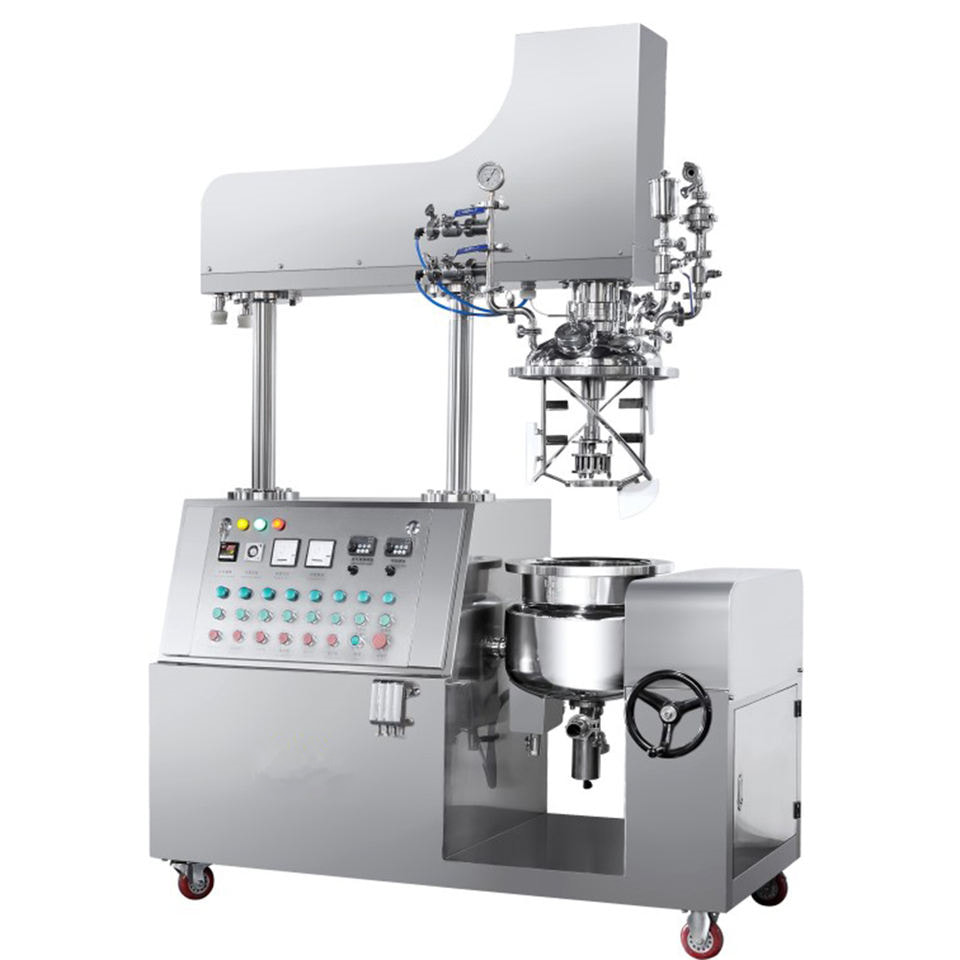
When teams need steady output for suspensions, pastes, batch products, emulsifiers becomes more than a simple machine choice. Buyers who compare batch repeatability with scraping action early usually make better long-term decisions than those who focus only on the first quote. Across general industrial production, the value comes from consistent execution rather than occasional peak performance. The best equipment decisions usually start on the plant floor, not in a brochure. The right setup supports cleaner batching, easier control, and fewer interruptions caused by poor flow, trapped air, or uneven processing. Emulsifying equipment has to manage oil-water integration, air control, and temperature movement with enough precision to protect stability.
Making emulsifiers fit the product and process
Process fit is where good projects are won or lost. A machine that looks powerful on paper may still struggle if the product thickens quickly, foams easily, or depends on precise temperature management. A strong review asks whether emulsifiers will perform well on ordinary shifts, not only in demonstrations. In broad manufacturing use, the best machine is the one operators can run well on an ordinary day. Emulsifying success usually depends on how well the system handles phase addition, recirculation, and deaeration under real plant conditions. That review helps protect consistent output and reduces the risk of buying equipment that forces operators to compensate manually through longer cycles or repeated corrections. Teams get stronger results when they compare actual formulation behavior with the machine’s working method, vessel design, and control range.
Look beyond headline specifications
Specification sheets tell part of the story, but the details behind them matter more. Buyers should look beyond horsepower and nominal capacity to understand contact surfaces, control responsiveness, drainage, and access for inspection. Across general industrial production, the value comes from consistent execution rather than occasional peak performance. Equipment that is easy to inspect and easy to clean often performs better over time because teams can keep it in a known condition instead of troubleshooting hidden buildup or wear after quality issues appear. Emulsifying equipment has to manage oil-water integration, air control, and temperature movement with enough precision to protect stability.
How to choose emulsifiers with fewer compromises
Good purchasing decisions compare current demand with realistic growth plans. That approach usually leads to better returns because the equipment is chosen for the real bottleneck, not the most convenient test case. teams should also ask how the machine will handle your most difficult formulation rather than your easiest one. Emulsifying success usually depends on how well the system handles phase addition, recirculation, and deaeration under real plant conditions. Capacity should fit real batch sizes, not just a hoped-for future output target, and utilities should match the plant’s actual conditions. In broad manufacturing use, the best machine is the one operators can run well on an ordinary day. Before approving a purchase, buyers should confirm that emulsifiers matches utilities, staffing, and product demands.
Service access protects uptime
Output should not overshadow upkeep and cleaning. Emulsifying success usually depends on how well the system handles phase addition, recirculation, and deaeration under real plant conditions. Across general industrial production, the value comes from consistent execution rather than occasional peak performance. Ask how seals, gaskets, pumps, and contact parts are accessed, and whether routine upkeep can happen without extended stoppages. A machine that is difficult to wash, inspect, or service can quietly consume labor and create inconsistent results over time. Cleanability is not a minor convenience; it is part of process control because buildup and hidden residue eventually change performance.
The best purchase is the one that makes daily production calmer, easier to repeat, and simpler to manage. emulsifiers should support the people, formulas, and schedules that already define the business, while leaving room for smarter growth later. When buyers focus on batch repeatability, heating and cooling, and real operating conditions, they usually choose equipment that delivers value well beyond the first installation.