
Detergent mixer can support repeatable batching, better line control, and consistent output while helping teams avoid waste during daily production at scale.
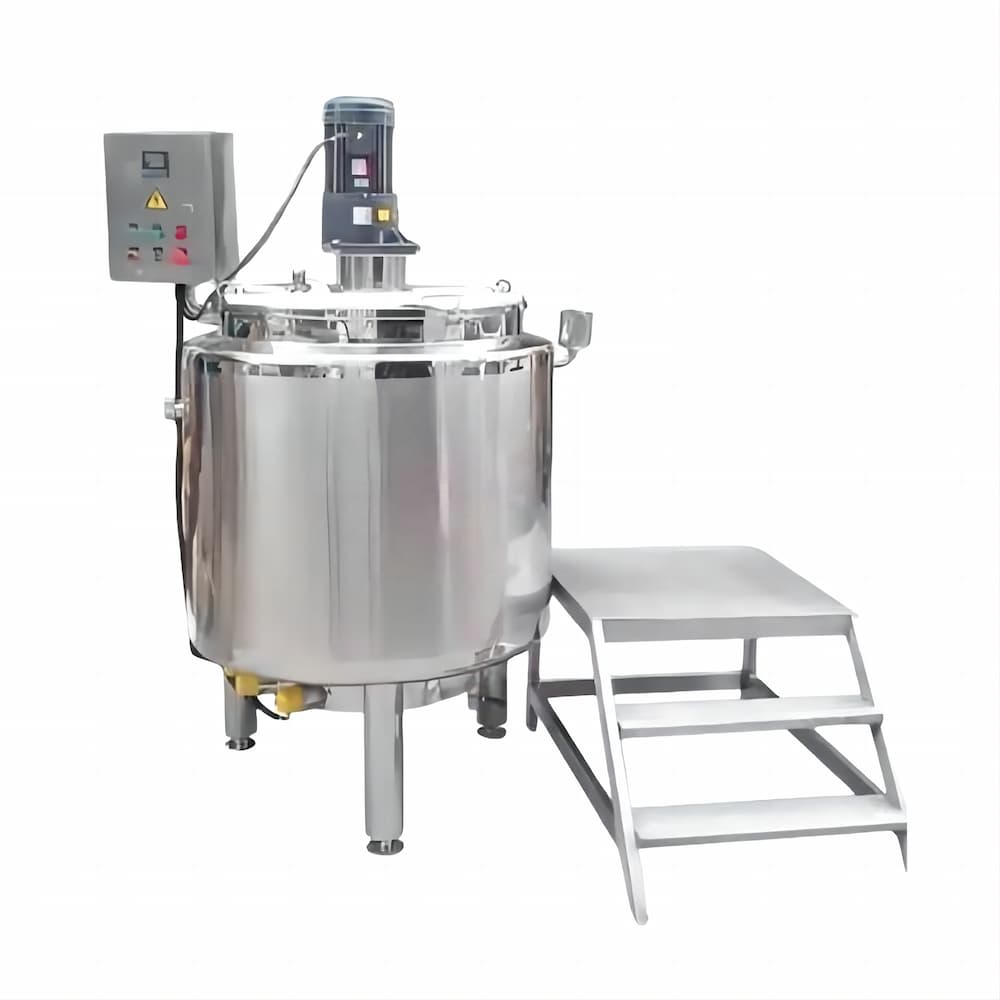
When plant teams need steady output for shampoos, sanitation concentrates, wash products, detergent mixer becomes more than a simple machine choice. In production, small inconsistencies compound quickly, which is why equipment choice deserves close attention. In mixing work, the real question is how the machine moves the product through the whole vessel rather than how fast one point in the batch appears to turn. The right setup supports cleaner batching, easier control, and fewer interruptions caused by poor flow, trapped air, or uneven processing. In wash-product manufacturing, stable blending and easy sanitation help protect both throughput and product repeatability. Buyers who compare speed control with batch size early usually make better long-term decisions than those who focus only on the first quote.
Why detergent mixer matters for real production
Process fit often decides whether a project succeeds or disappoints. That matters in detergent and cleansing products, where foaming behavior, viscosity, and ingredient dissolution all affect downstream performance. A strong review asks whether detergent mixer will perform well on ordinary shifts, not only in demonstrations. Mixing performance improves when circulation, heat transfer, and ingredient wet-out are considered together instead of as separate problems. That review helps protect predictable foaming behavior and reduces the risk of buying equipment that forces operators to compensate manually through longer cycles or repeated corrections. Teams get stronger results when they compare actual formulation behavior with the machine’s working method, vessel design, and control range. A machine that looks powerful on paper may still struggle if the product thickens quickly, foams easily, or depends on precise temperature management.
Look beyond headline specifications
A specification sheet is only a starting point; the underlying details matter more. Equipment that is easy to inspect and easy to clean often performs better over time because teams can keep it in a known condition instead of troubleshooting hidden buildup or wear after quality issues appear. Buyers should look beyond horsepower and nominal capacity to understand contact surfaces, control responsiveness, drainage, and access for inspection. For mixers, the interaction between vessel shape, impeller choice, and batch viscosity usually determines whether production feels easy or constantly corrective. For soap and shampoo work, practical sanitation routines and predictable batching often matter more than overly complex controls.
Choosing detergent mixer for stable long-term output
Selection gets easier when the team writes down the conditions the equipment must handle every week. Selection improves when detergent mixer is compared against real constraints such as sanitation time, batch range, and operator skill. A purchase grounded in those conditions is more likely to perform well than one based on generic assumptions about capacity alone. Include viscosity swings, ingredient addition steps, temperature limits, expected changeover pace, and the level of automation the staff can maintain confidently. That matters in detergent and cleansing products, where foaming behavior, viscosity, and ingredient dissolution all affect downstream performance. Mixing performance improves when circulation, heat transfer, and ingredient wet-out are considered together instead of as separate problems.
service is part of process control
Output should not overshadow service and sanitation. Cleanability is not a minor convenience; it is part of process control because buildup and hidden residue eventually change performance. Ask how seals, gaskets, pumps, and contact parts are accessed, and whether routine upkeep can happen without extended stoppages. Mixing performance improves when circulation, heat transfer, and ingredient wet-out are considered together instead of as separate problems. A machine that is difficult to wash, inspect, or service can quietly consume labor and create inconsistent results over time. In wash-product manufacturing, stable blending and easy sanitation help protect both throughput and product repeatability.
Practical thinking creates the strongest equipment choices. detergent mixer earns its place when it helps the team hold quality, keep production moving, and solve recurring process problems without unnecessary complexity. A careful review of batch size, speed control, and long-term workflow needs leads to a purchase that performs reliably long after commissioning.