
Mixers can support cleaner process control, better line control, and consistent output while helping teams avoid waste during daily production in busy plants.
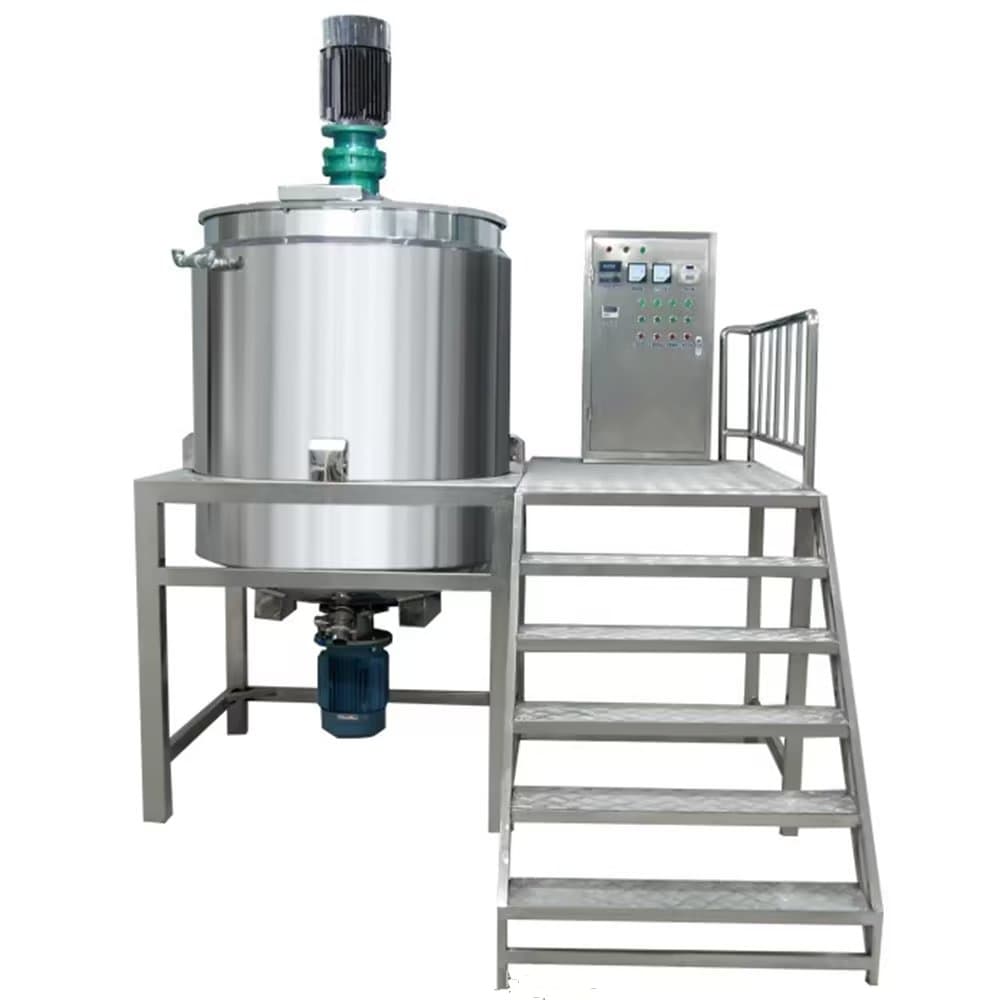
Using mixers with clear process targets
When manufacturers need steady output for suspensions, emulsions, batch products, mixers becomes more than a simple machine choice. The best equipment decisions usually start on the plant floor, not in a brochure. In mixing work, the real question is how the machine moves the product through the whole vessel rather than how fast one point in the batch appears to turn. Buyers who compare impeller design with speed control early usually make better long-term decisions than those who focus only on the first quote. For many plants, process stability and ease of upkeep drive better returns than the most aggressive specification set. The right setup supports cleaner batching, easier control, and fewer interruptions caused by poor flow, trapped air, or uneven processing. Consistent output is rarely accidental. Across general industrial production, the value comes from consistent execution rather than occasional peak performance. For mixers, the interaction between vessel shape, impeller choice, and batch viscosity usually determines whether production feels easy or constantly corrective. It comes from a process that gives operators enough control to repeat the same result even when ambient conditions, raw material variation, or staffing changes introduce small differences. Buyers should ask whether the machine helps maintain consistent output, supports clear setpoints, and makes it easy to verify the process rather than relying on guesswork during every batch.
Look beyond headline specifications
It pays to inspect the working parts that shape performance every hour of the day. Seemingly small details can change how quickly product circulates, how evenly heat moves through the batch, and how easy the system is to clean between formulas. A practical review of those details usually reveals whether the machine is built for routine production or only for ideal conditions. Vessel shape, rotor or impeller style, wall clearance, seals, and discharge design all affect how material behaves during a run. For many plants, process stability and ease of upkeep drive better returns than the most aggressive specification set. Mixing performance improves when circulation, heat transfer, and ingredient wet-out are considered together instead of as separate problems.
Choosing mixers for stable long-term output
Future flexibility deserves a place in the decision. For mixers, the interaction between vessel shape, impeller choice, and batch viscosity usually determines whether production feels easy or constantly corrective. Many plants outgrow a machine not because the motor is too small, but because sanitation takes too long, controls are too limited, or the design cannot adapt to a broader product range. For many plants, process stability and ease of upkeep drive better returns than the most aggressive specification set. Asking about expansion now can prevent a second purchase earlier than planned. Look for options that support growth without creating needless complexity for the current team.
Capacity alone is not the full answer
Line balance is an overlooked part of equipment planning. Even strong machines create problems when they outpace utilities, create long waits for transfer, or require more manual attention than the team can consistently provide. Thinking through the entire workflow helps buyers avoid isolated improvements that fail to lift total plant performance. In mixing work, the real question is how the machine moves the product through the whole vessel rather than how fast one point in the batch appears to turn. For many plants, process stability and ease of upkeep drive better returns than the most aggressive specification set.
Practical thinking creates the strongest equipment choices. mixers earns its place when it helps the team hold quality, keep production moving, and solve recurring process problems without unnecessary complexity. A careful review of speed control, viscosity range, and long-term workflow needs leads to a purchase that performs reliably long after commissioning.