
A smart plan for Filling Machines makes it easier to balance dosing accuracy, safe operation, and predictable output as production targets rise on a busy line.
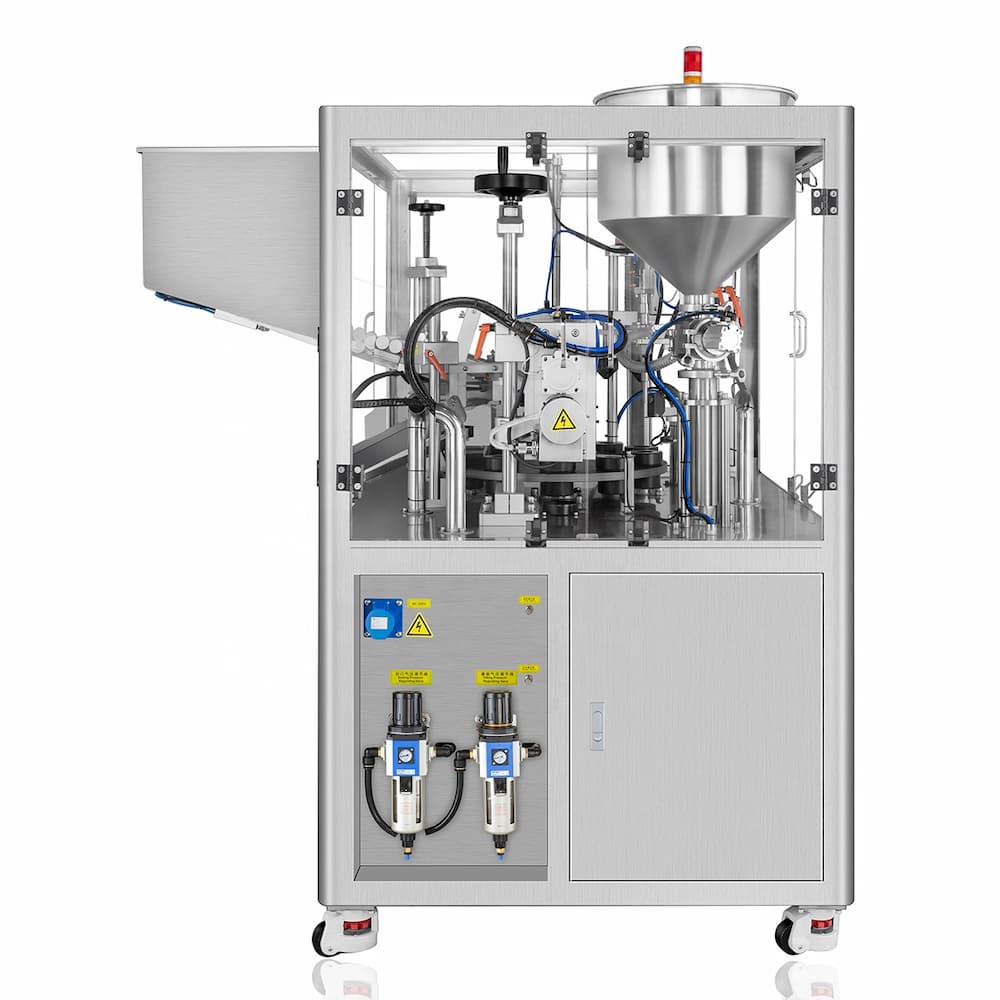
Filling Machines on a packaging line
Most companies start evaluating Filling Machines after noticing giveaway, messy nozzles, or too much downtime during switchovers. In practice, the right machine should handle liquids, bottles, and automated packaging lines with steady dosing and minimal manual intervention. When filling is stable, downstream capping, labeling, and packing also become easier to control. A calm, consistent line usually outperforms a fast line that needs constant attention. That broader view helps buyers focus on total packaging efficiency instead of one isolated spec.
Accuracy, speed, and line balance
A useful way to judge Filling Machines is to map the worst-case scenario rather than the easiest product. Consider how the line behaves with small containers, awkward bottle geometry, or a formulation that foams after pumping. Those conditions reveal whether the controls, nozzles, and timing logic are designed for manufacturing or only for demos. They also show how much operator skill is needed to keep results within target during long shifts. Real packaging performance appears when conditions stop being ideal.
Comparing Filling Machines in real conditions
Maintenance and sanitation should be part of the buying discussion from the beginning. Easy access to contact parts, clear drain paths, and 316L stainless steel contact parts often matter more over time than a slightly higher rated speed. If the product changes frequently, fast cleaning and tool-free change parts can protect uptime better than extra automation. That is particularly important for plants trying to run more SKUs without expanding labor. A machine that is more straightforward to clean is usually easier to keep profitable.
Sanitation, changeovers, and uptime
Packaging teams also benefit from defining what quality looks like at the end of the line, not just at the nozzle. A perfect dose means little if the bottle arrives wet, the capper misfires, or labels wrinkle because product touched the container. Review shelf appearance, checkweigher data, reject trends, and cleanup time together so the project targets the right outcomes. Good filling performance should improve the package, the workflow, and the shift report at the same time. That broader measurement framework leads to better equipment choices.
Buying decisions that age well
The biggest buying error with Filling Machines is treating accuracy as the only target. Repeatability matters, but so do sanitation, operator access, training time, and how much giveaway is hidden in routine setup decisions. The right purchase usually becomes obvious when finance, quality, and production review the same test data together. That cross-functional view reduces surprises after installation and helps the team write better operating standards. A good machine supports the business as well as the line.
Seen from a broader operational view, Filling Machines should improve quality, labor efficiency, and growth readiness all at once. The strongest machine gives packaging teams a wider margin for control instead of forcing constant intervention to stay on target. Before signing off, compare trial data, service response, change part design, and how honestly the supplier discusses known limits. A practical buying process usually leads to cleaner startups, steadier output, and fewer regrets once demand increases. That is the outcome most production teams actually need.